
Table of Contents
- Understanding EIN and Its Importance
- Registering Your Business
- Obtaining a D-U-N-S Number
- Opening a Business Bank Account
- Establishing Trade Lines with Vendors
- Applying for EIN-Only Business Credit Cards
- Monitoring and Maintaining Your Business Credit
Establishing business credit is one of the most pivotal steps for any new enterprise. Building a credit profile separate from your personal finances can make your company more credible to lenders, suppliers, and potential partners. With the right strategies, you can build a robust business credit profile using just your Employer Identification Number (EIN), opening the door to various financial opportunities. For those looking into their first business credit card EIN only options, understanding the process is crucial as it can help ensure you rely solely on your business’s financial identity.
Using your EIN instead of your Social Security Number for business credit is also key to keeping your personal credit profile separate from your company’s financial activities. This makes it easier to scale, protect your credit, and access capital without risking personal liability. By following an organized approach, new businesses can pave the way to sustained financial growth and improved funding opportunities.
Understanding EIN and Its Importance
An Employer Identification Number (EIN) acts as a unique identifier for your business, assigned by the IRS for tax reporting purposes. It serves a role for businesses similar to that of a Social Security Number for individuals. Securing an EIN is essential for managing your business finances, filing taxes, opening business bank accounts, and applying for credit on behalf of your company.
Using an EIN allows business owners to establish a separate fiscal structure from their personal finances. This is important for limiting personal liability and ensuring your credit activities reflect only on your business, a critical step for long-term growth and professional reputation. According to the U.S. Small Business Administration, an EIN is required for most business types, even if you have no employees, to open business accounts and apply for credit.
Registering Your Business
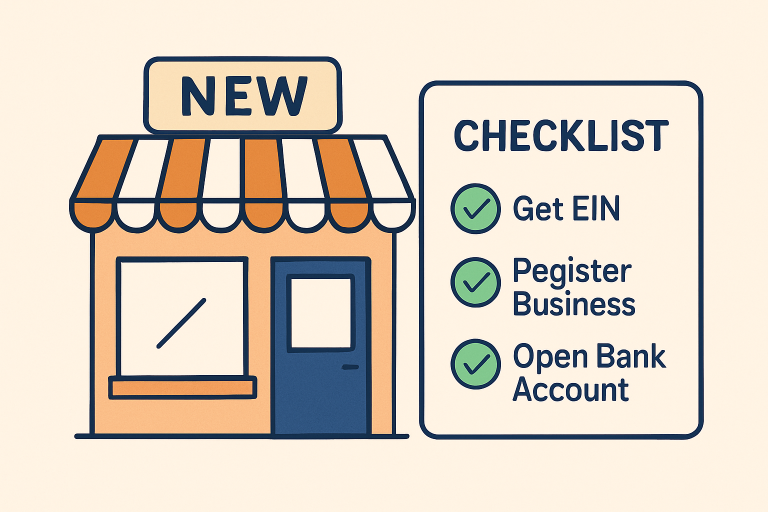
Selecting the right legal structure matters when registering your business. Choosing an LLC, corporation, or partnership provides the foundation for building corporate credit. Next, you must register your business name with the appropriate state and local authorities. Following these legal steps not only legitimizes your operations in the eyes of customers and partners but is generally a prerequisite for obtaining EIN-only credit products.
Registration demonstrates your business’s legitimacy to banks, suppliers, and other stakeholders. It also allows state and federal agencies to recognize your company for regulatory and tax purposes. These early administrative details are essential building blocks to establishing a reliable and recognized business credit file.
Obtaining a D-U-N-S Number
In addition to your EIN, obtaining a Data Universal Numbering System (D-U-N-S) number from Dun & Bradstreet is critical for building business credit. The D-U-N-S number is used by creditors, suppliers, and credit bureaus to track your business’s financial reputation and payment history. You can request a D-U-N-S number at no cost through the Dun & Bradstreet website, a step highly recommended for any business seeking to establish EIN-based credit.
This number allows your company to be profiled by major business credit agencies, ensuring your financial transactions are attributed to your organizational identity. Over time, as you make timely payments and build history, lenders and partners will review your D-U-N-S file to make credit decisions. For more on why a DUNS number matters and how to get one, refer to this insightful guide from NerdWallet.
Opening a Business Bank Account
Once you have your EIN and business registration complete, open a dedicated business checking account. This step is not just important for separating business from personal funds. It also creates a financial footprint that lenders and credit bureaus will review when you apply for credit. Your business account will track deposits, payments, and balances, which can be critical in qualifying for EIN-only credit lines and loans.
Building a strong banking relationship can also provide your business with financial references and access to products specifically tailored for established enterprises. Many banks require your business paperwork, EIN confirmation, and in some cases, a D-U-N-S number to open such accounts. Consistent account activity and proper management set the stage for a favorable business credit profile.
Establishing Trade Lines with Vendors
Establishing trade credit, or net-30 accounts, with vendors who report payment history to business credit bureaus is a classic and effective way to build business credit with your EIN. In this arrangement, suppliers grant you the flexibility to buy now and pay later, usually within 30 days. Timely payment of these accounts shows creditworthiness to the reporting agencies.
Before engaging vendors, confirm they report payment data to major business bureaus such as Dun & Bradstreet, Experian Business, or Equifax Small Business. A history of on-time payments with multiple reporting vendors significantly benefits your credit profile. Start with a few reliable vendors and gradually build your trade credit network for greater impact.
Applying for EIN-Only Business Credit Cards
Once your initial business credit foundation is set, look for business credit cards that do not require a personal guarantee. These EIN-only cards are most often available to businesses with solid credit histories, registered status, and sufficient revenue. Some major financial institutions, as well as fintech providers, offer products specifically geared towards businesses that want to avoid using a Social Security Number and focus on EIN-based credit.
Evaluate card options that report to commercial credit bureaus and do not require a personal credit check. Examples include certain corporate cards for established businesses and special programs for qualified startups. Thorough research and comparison of offers will increase your chances of approval for credit that enhances your business profile without risking your personal assets.
Monitoring and Maintaining Your Business Credit
After establishing an EIN-based credit, ongoing maintenance is vital. Routinely check your business credit profiles with Dun & Bradstreet, Experian, and Equifax. Monitor for accuracy, correct errors quickly, and stay informed about your credit standing. Maintaining timely payments, low utilization, and responding to any discrepancies will help ensure your business remains creditworthy. You can access further detailed guidance on this subject through resources like the NerdWallet business credit guide, which provides actionable steps for continuous credit health.
With these measures, new businesses can build a robust credit profile that supports loan applications, enables larger purchase orders, and improves negotiating power without entangling personal finances. Persistence and attention to detail are the benchmarks of effective credit management, setting the path to long-term stability and growth.