
Defining the Core Elements of a Positive Company Culture
A positive company culture is more than just a collection of perks; it’s the fundamental character of an organization, influencing every interaction and decision. It’s the “how we do things around here,” as famously described by experts like Christina Dove. This culture is dynamic, shaped by shared values, working practices, and how employees are treated.

At its heart, a positive culture is built on several key elements that foster an environment where individuals can thrive and contribute their best. These include:
- Psychological Safety: Employees feel safe to express ideas, ask questions, and admit mistakes without fear of punishment or ridicule.
- Inclusivity and Diversity (DEIB): A workplace that actively embraces and celebrates differences, ensuring all voices are heard and valued. This leads to a strong sense of belonging, with employees performing up to 56% higher when they feel they belong.
- Clear Core Values: A set of guiding principles that act as a “cultural compass,” directing behavior and decision-making.
- Open and Honest Communication: Transparent dialogue that builds trust and fosters a sense of shared understanding.
- Collaborative Environment: Spaces and processes that encourage idea-sharing, teamwork, and mutual respect among colleagues.
- Opportunities for Growth and Development: A commitment to employee learning and career advancement.
- Recognition and Appreciation: Consistently acknowledging and rewarding employee contributions.
- Work-Life Balance and Wellbeing: Prioritizing the mental and physical health of the workforce.
These elements collectively create a workplace where employees are engaged, motivated, and committed to the organization’s success.
Differentiating Company, Organizational, and Workplace Culture
While often used interchangeably, “company culture,” “organizational culture,” and “workplace culture” have subtle distinctions.
- Company Culture tends to be the broadest term, encompassing the entire ethos of a business – its history, vision, beliefs, and how it interacts with employees, customers, and the public. It’s the overarching “social operating system.”
- Organizational Culture is more formal, often referring to the established behavioral patterns, structural norms, and shared beliefs that define how work gets done within the organization. It’s influenced by leadership styles, policies, and strategic objectives.
- Workplace Culture zeroes in on the day-to-day atmosphere and employee experience within a specific work environment or team. It reflects how employees interact with each other, their managers, and their immediate surroundings.
All three are interconnected and contribute to the overall environment, but understanding their nuances helps in targeted culture enhancement efforts.
Communicating Core Values Effectively
Core values are the bedrock of a strong culture. They are the principles that guide decisions and define an organization’s identity. However, simply listing values isn’t enough; they must be actively communicated and integrated into daily operations.
Effective communication of core values involves:
- Defining Them Clearly: Values should be specific, actionable, and resonate with the company’s mission. Involving employees in this process can foster greater buy-in.
- Cultural Alignment: Ensuring that leadership actions, company policies, and employee behaviors consistently reflect these values. When an organization embodies its values, employees are 27% more likely to have higher engagement scores.
- Internal Branding: Incorporating values into internal communications, onboarding processes, performance reviews, and even physical office spaces.
- Value Integration: Using values as a framework for decision-making, problem-solving, and recognizing achievements. This transforms values from abstract concepts into practical guidelines.
The Strategic Role of Corporate Gifting and Branding
Beyond policies and leadership, tangible gestures play a powerful role in shaping culture. This is where corporate gifting and branding become strategic tools. They offer a unique way to express appreciation, build community, and reinforce core values. Integrated recognition, which is frequent, personalized, and woven into daily culture, significantly increases the odds of a positive employee experience by 391% and a thriving workplace culture by 646%, according to O.C. Tanner’s 2023 Global Culture Study.

Thoughtful gifts and branded merchandise go beyond mere perks; they serve as physical touchpoints that connect employees to the company and to each other. They foster a sense of belonging and pride, turning employees into brand advocates. From welcoming new hires with onboarding gifts to celebrating employee milestones, these items create memorable experiences. Companies with a poor reputation can see 69% of candidates reject job offers, even if unemployed, highlighting the importance of a positive external perception, which can be boosted by proud employees.
For organizations looking to elevate their employee experience and reinforce their culture, exploring options in corporate gifting and branding for culture can provide personalized rewards and build a stronger, more connected workforce.
Strengthening Remote Connections with Corporate Gifting and Branding
The rise of hybrid and remote work models presents unique cultural challenges, particularly the risk of isolation and loneliness. A Buffer report highlights that 15% of remote employees struggle with loneliness. In this distributed environment, physical touchpoints become even more critical.
Custom merchandise can bridge geographical gaps by creating a shared experience. Sending branded home office kits, wellness packages, or even simple “thinking of you” gifts can make remote employees feel seen, valued, and connected to their team and the broader organization. These gestures combat loneliness and foster a sense of belonging, ensuring that distance doesn’t diminish cultural cohesion.
Boosting Morale and Recognition through Corporate Gifting and Branding
Recognition is a cornerstone of positive culture, directly impacting morale and commitment. Employees who don’t feel recognized are twice as likely to quit their job in a year, and nearly half (46%) of respondents in one survey admitted they left a job because they felt unappreciated. Conversely, the top 20% of companies with a recognition-rich culture have a 31% lower turnover rate.
Corporate gifting provides a tangible way to recognize achievements, celebrate successes, and acknowledge hard work. Whether it’s a personalized award for a project milestone, a gift for a work anniversary, or a simple “thank you” gift, these items reinforce that contributions are valued. Peer-to-peer recognition, often facilitated by gifting platforms, is particularly effective as it integrates appreciation into daily interactions, boosting overall morale and commitment.
Leadership’s Influence on Sustaining Cultural Excellence
Leaders are the primary architects and custodians of company culture. Their actions, attitudes, and decisions set the tone for the entire organization. Research indicates that 70% of a worker’s experience is based on manager behavior. This underscores the profound impact leaders have on shaping the workplace environment.
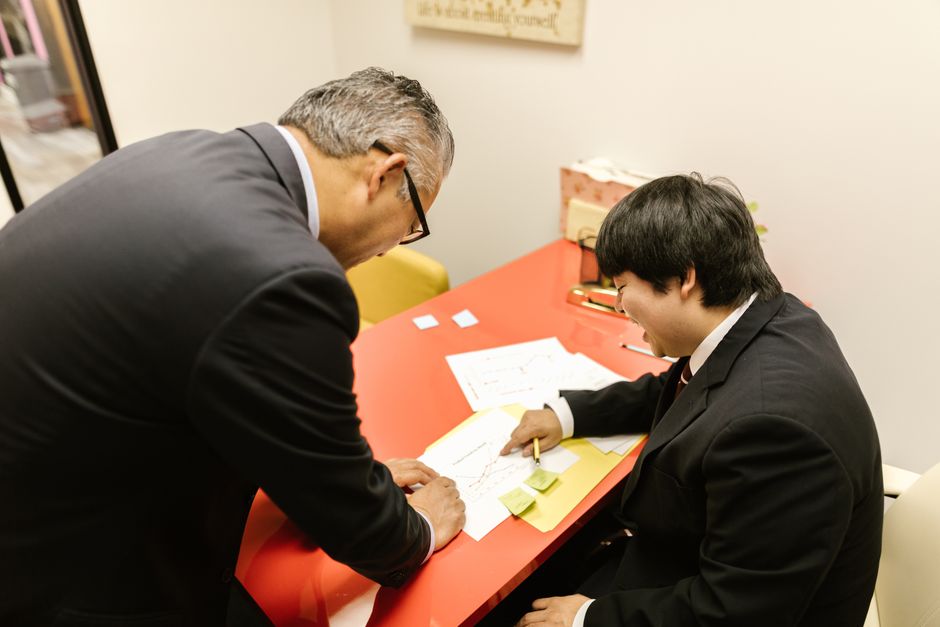
Effective leaders lead by example, consistently embodying the core values they expect from their teams. Modern leadership, characterized by mentorship and coaching rather than micromanagement, fosters an environment of trust and empowerment. When employees feel their voice is heard, they are 4.6 times more likely to perform better. Leaders achieve this by promoting open and honest communication, building trust through transparency in decision-making, and actively seeking and acting on employee feedback through two-way communication loops. This creates a psychological safety net where employees feel comfortable taking risks and innovating.
Providing Opportunities for Growth and Development
A key driver of employee engagement and retention is the opportunity for personal and professional growth. A Pew Research Center report found that 63% of employees who left their jobs cited a lack of advancement opportunities as the main reason.
Organizations must prioritize:
- Clear Career Paths: Defining potential trajectories and the skills needed to advance.
- Continuous Learning: Investing in training programs, workshops, and access to educational resources.
- Mentorship and Coaching: Pairing employees with experienced mentors and providing ongoing coaching to develop skills and navigate challenges.
- Skill Sharing: Encouraging internal knowledge transfer and cross-functional collaboration.
By investing in their employees’ development, companies demonstrate a commitment to their long-term success, fostering loyalty and a highly skilled workforce.
Prioritizing Work-Life Balance and Wellbeing
Employee burnout is a pervasive issue, with 43% of US desk workers reporting feeling burned out, and executives noting a 20% drop in work-life balance. Prioritizing work-life balance and overall wellbeing is no longer a luxury but a crucial component of a healthy culture.
Organizations can support wellbeing by:
- Flexible Schedules: Offering options like flexible hours, compressed workweeks, or remote work to accommodate personal needs.
- Mental Health Support: Providing access to resources such as Employee Assistance Programs (EAPs), mental health days, and stress management workshops.
- Boundary Setting: Encouraging employees to disconnect outside of work hours and promoting healthy habits to prevent overwork.
- Holistic Wellness: Supporting physical, emotional, and financial wellbeing through various programs and benefits.
A culture that values wellbeing understands that a healthy employee is a productive and engaged employee.
Measuring and Repairing a Suffering Workplace Culture
A suffering or toxic company culture carries significant business implications. Low engagement alone costs the global economy $8.8 trillion. Toxic cultures were a major driver of the Great Resignation, characterized by disrespect, unethical behavior, and a lack of diversity, equity, and inclusion. This can lead to decreased productivity, reputational damage, legal risks, and increased team conflict.
Repairing a struggling culture requires acknowledging the problem, taking accountability, and implementing a strategic change management process. This often begins with honest assessment through tools like pulse surveys, eNPS (Employee Net Promoter Score), stay interviews, and analyzing attrition rates. Rebuilding trust is paramount and involves transparent communication, involving employees in solution-finding, and consistent leadership behavior. Cultural evolution is a long-term commitment, requiring dedication to overcome resistance and embed new behaviors.
Adapting Culture for Hybrid and Remote Work Models
The shift to hybrid and remote work has reshaped workplace culture. Forbes reports that 12.7% of US full-time employees work from home, while 28.2% work a hybrid model. This flexibility brings advantages but also challenges, such as difficulties with collaboration, communication, and maintaining a sense of connection.
To adapt culture effectively:
- Digital Collaboration Tools: Invest in platforms that facilitate seamless communication and teamwork, regardless of location.
- Virtual Team Building: Organize online activities that foster camaraderie and personal connections.
- Remote Working Policies: Establish clear guidelines that support flexibility while maintaining productivity and engagement.
- Connection to Purpose: Ensure remote employees feel connected to the company’s mission and their impact, combating feelings of isolation.
Overcoming Challenges in Cultural Change
Changing or repairing a company culture is inherently challenging. It requires significant executive buy-in and consistent commitment from leadership. Resistance to change is common, as individuals are naturally inclined to stick with familiar patterns.
Key strategies for overcoming these hurdles include:
- Clear Vision and Communication: Articulating the “why” behind the change and continuously communicating progress.
- Employee Involvement: Engaging employees in the change process, soliciting their input, and empowering them to be agents of cultural transformation.
- Consistent Behavior: Leaders must model the desired new behaviors consistently.
- Acknowledging Failure as Learning: Creating an environment where failure is an accepted part of the innovation process. When failure is embraced, there is 166% more innovation, leading to 60% more great work. This encourages experimentation and continuous improvement, crucial for cultural evolution.
- Celebrating Small Wins: Recognizing and celebrating progress along the way to maintain momentum and morale.
Frequently Asked Questions about Workplace Culture
How can companies measure the effectiveness of their culture improvement initiatives?
Measuring culture effectiveness requires a multi-faceted approach. Key metrics include:
- Employee Engagement Scores: Regular pulse surveys and annual engagement surveys provide quantitative data on employee sentiment.
- Retention Rates: Monitoring turnover, especially voluntary turnover, can indicate cultural health.
- Recognition Frequency: Tracking the volume and quality of employee recognition.
- Qualitative Feedback: Conducting stay interviews, exit interviews, and focus groups to gather deeper insights.
- Performance Metrics: Observing improvements in productivity, innovation, and customer satisfaction, which are often direct outcomes of a positive culture.
What are the primary differences between company culture and organizational culture?
While often used interchangeably, “company culture” broadly refers to the overall personality and values of a business, encompassing its history, vision, and how it interacts with all stakeholders. “Organizational culture” is a more formal term, focusing on the established behavioral patterns, structural norms, and shared beliefs that dictate how work gets done within the organization. “Workplace culture” is the most granular, describing the day-to-day atmosphere and employee experience within a specific team or work environment.
What are the most common signs of a toxic workplace culture?
Signs of a toxic workplace culture include:
- High Turnover: Employees frequently leaving, especially top talent.
- Lack of Transparency: Information hoarding, gossip, and unclear decision-making.
- Siloed Communication: Poor collaboration and communication breakdowns between teams.
- Employee Burnout: High levels of stress, exhaustion, and disengagement.
- Fear of Failure: Employees unwilling to take risks or innovate due to fear of repercussions.
- Low Psychological Safety: Employees feeling unsafe to speak up, challenge ideas, or admit mistakes.
- Disrespect and Unethical Behavior: A pervasive lack of respect among colleagues or leadership, and tolerance for unethical conduct.
Conclusion
Enhancing workplace culture is a continuous journey, not a destination. It requires intentional effort, authentic leadership, and a commitment to creating an environment where every employee feels valued, respected, and empowered. By focusing on core values, fostering inclusivity, promoting open communication, and providing opportunities for growth, organizations can cultivate a thriving culture that drives engagement, innovation, and ultimately, long-term business success.
The investment in a healthy, purpose-driven work environment pays dividends far beyond the balance sheet, creating a workplace where people genuinely want to contribute and grow. Continuous improvement, adaptability, and an employee-centric approach are the hallmarks of cultural sustainability in today’s dynamic world.