Table of Contents
- Regular Inspections
- Proper Disposal Habits
- Monitor Water Pressure
- Insulate Pipes
- Maintain Your Water Heater
- Install Drain Screens
- Avoid Chemical Drain Cleaners
- Schedule Professional Maintenance
Maintaining an efficient home begins with a healthy plumbing system. By proactively maintaining plumbing, you not only prevent unexpected emergencies but also save on costly repairs in the long run. Taking the right steps can ensure that your household plumbing runs smoothly, helping you avoid common mishaps that often require calling a professional plumber. Adopting sound plumbing practices empowers homeowners to keep their pipes clear, fixtures working efficiently, and water expenses in check.
Often, minor issues can snowball into major disruptions if not addressed early. Familiarizing yourself with basic prevention tips is key to extending the lifespan of your plumbing. By regularly inspecting your system, maintaining proper disposal habits, and addressing hidden vulnerabilities, you minimize the risk of leaks, clogs, and water damage. Regular care also reduces the likelihood of needing extensive repairs, which a plumber typically handles.
Regular Inspections
Taking time to inspect your plumbing system is one of the simplest ways to catch problems early. Examine accessible pipes for leaks, rust, and unusual moisture. Periodically check under sinks, around toilets, and at appliance connections for signs of corrosion or pooling water. Early detection can avert a buildup of water damage, mold, and costly structural repairs. It’s also helpful to know how to perform basic maintenance, such as drain unblocking, to prevent slow drains from turning into bigger issues. Additionally, familiarizing yourself with your home’s water shut-off valve can be crucial in emergencies.
Proper Disposal Habits
Practicing proper disposal is fundamental to keeping drains clear. In bathrooms, avoid flushing items such as wipes, feminine hygiene products, and cotton swabs; they do not disintegrate and can clog pipes. In kitchens, dispose of grease, coffee grounds, and fibrous food waste in the trash, not the sink. Installing sink strainers and regularly cleaning them helps trap food debris and prevents it from entering the plumbing system, reducing the risk of stubborn clogs.
Monitor Water Pressure
Water pressure that is too high can stress pipes and cause leaks or even bursts. Use a water pressure gauge to test your system, aiming for a range between 40 and 60 psi. If readings are consistently higher, consider hiring a professional to install a pressure-reducing valve. Keeping water pressure in check not only protects your pipes but can also extend the lifespan of fixtures such as faucets and water heaters.
Insulate Pipes
Insulating pipes is especially important during winter months or in unheated parts of your home, such as attics, garages, or crawl spaces. Exposed pipes are at higher risk of freezing and bursting. Using insulation sleeves or heat tape can provide adequate protection, and on freezing nights, leaving cabinet doors open allows warm air to circulate, further reducing the risk of frozen pipes. For detailed guidance on the best ways to insulate your water pipes, you can refer to this comprehensive guide from The Spruce. Investing in proper insulation is essential, as burst pipes from freezing can lead to severe flooding and costly repairs. Regularly checking your insulation and updating it when necessary can save you from unexpected emergencies. Taking a few preventative steps now ensures peace of mind throughout the cold season.
Maintain Your Water Heater
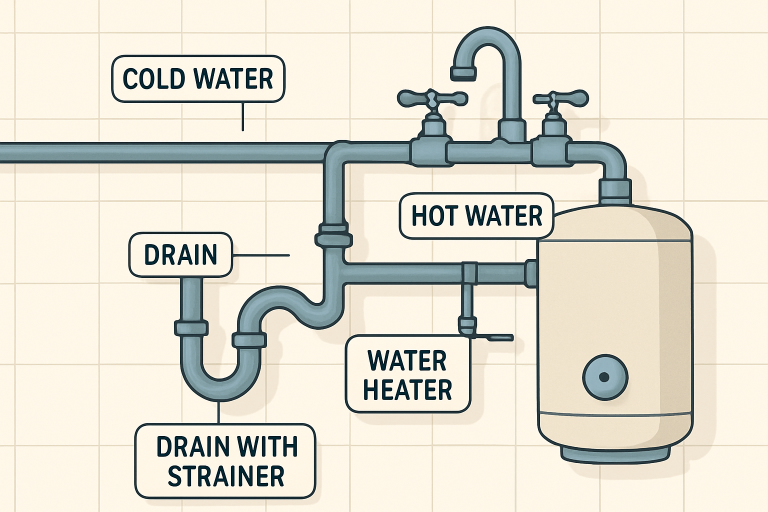
Your water heater works hardest during colder weather, making regular maintenance essential. Once a year, flush the tank to remove sediment buildup, which can compromise performance and energy efficiency. Set the thermostat to 120°F to prevent burns and reduce energy costs. For a step-by-step guide on keeping your water heater in top condition, see this guide from This Old House. Regular maintenance will not only ensure a constant hot water supply but also lower the risk of tank leaks and prolong your appliance’s lifespan.
Install Drain Screens
Drain screens or strainers are an easy way to stop hair, soap scum, and food particles from entering pipes. Place them in bathroom drains, kitchen sinks, and showers. Make it a habit to clean them weekly to avoid buildup and ensure free-flowing drains. This inexpensive solution dramatically reduces the likelihood of clog-causing debris entering your plumbing system.
Avoid Chemical Drain Cleaners
While chemical drain cleaners offer a quick fix for clogs, they can corrode pipes and lead to more serious damage over time. Instead, use mechanical methods such as plungers or hand augers for most household clogs. For prevention, periodically flush drains with boiling water or a non-corrosive mixture of baking soda and vinegar. If you’re faced with a stubborn block, professional plumbing services or natural alternatives are always preferable to harsh chemicals.
Schedule Professional Maintenance
Although regular DIY checks are invaluable, having your plumbing professionally inspected annually is best practice. Plumbers can uncover hidden corrosion, potential leaks behind walls, or early signs of drainage issues that could go unnoticed. Routine visits not only safeguard your system but also ensure compliance with local regulations, giving homeowners peace of mind.
Taking these preventive steps will help homeowners safeguard against unexpected plumbing emergencies, maximize water efficiency, and extend the health and function of their plumbing systems. By combining simple habits with scheduled professional attention, everyone can enjoy a more reliable and comfortable living space.