Key Takeaways
- A new roof can increase your home’s resale value and improve its curb appeal.
- Modern roofing materials help reduce energy costs by providing better insulation and increased reflectivity.
- Replacing an aging roof boosts your family’s safety and overall peace of mind.
A well-maintained roof is more than just a protective layer over a home—it plays a crucial role in preserving the property’s structural integrity and overall value. Over time, exposure to weather, temperature fluctuations, and natural wear can compromise roofing materials, leading to leaks, energy inefficiency, and potential damage to the interior. Homeowners who invest in updating their roofs thoughtfully not only prevent costly repairs down the line but also enhance the long-term durability and safety of their residence. A carefully planned roof update can transform an aging structure into one that feels secure, efficient, and well-cared-for.
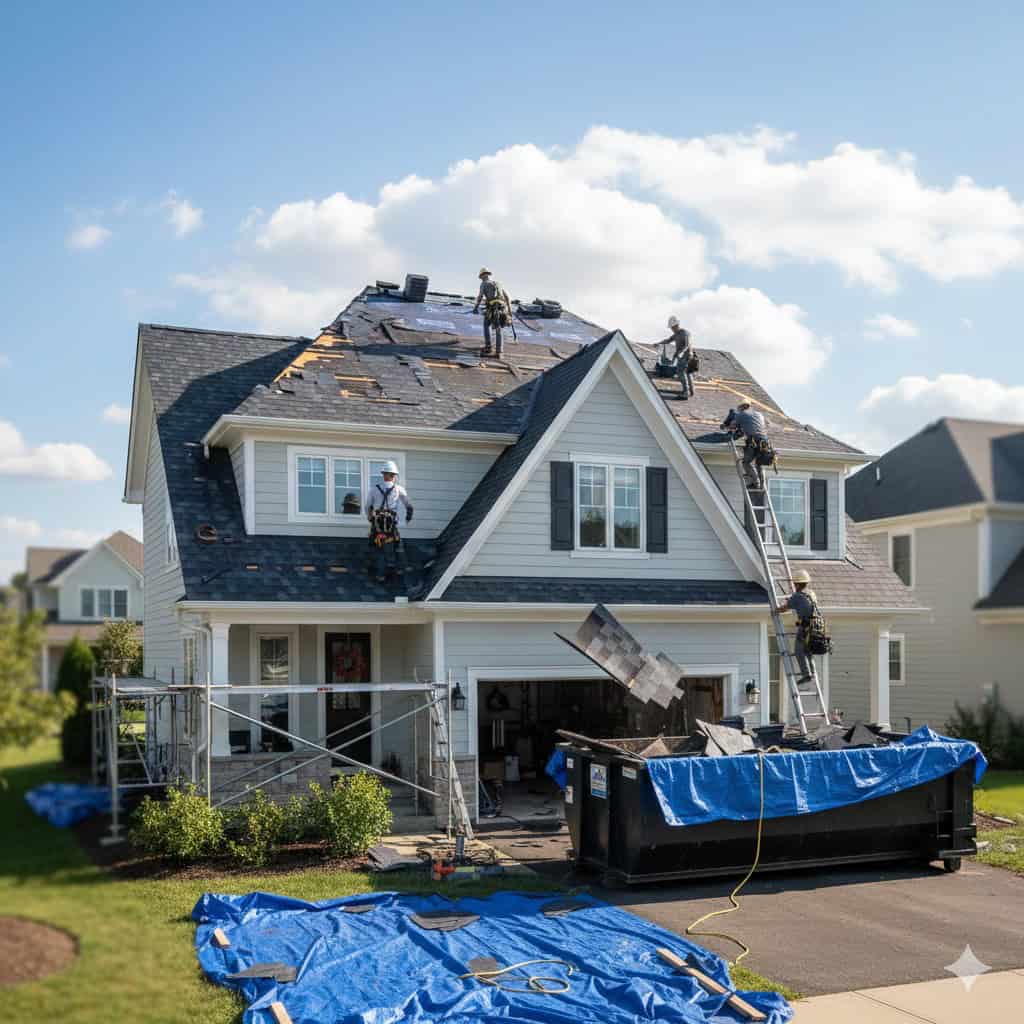
For those considering such an update, working with a reputable roof replacement company ensures that the process is handled with professional expertise and meticulous attention to detail. From assessing materials to proper installation techniques, these experts help homeowners make informed decisions that balance aesthetic appeal, functionality, and peace of mind, making the investment in a new roof both practical and reassuring.
Boosting Home Value
Investing in a new roof can yield a significant return if you decide to sell your house. According to research, homeowners typically recoup up to 52% of their investment in a roof replacement at resale—a substantial boost in overall property value. This financial advantage is paired with increased buyer interest, as a new roof assures prospective buyers that big-ticket maintenance concerns have already been addressed. For many homebuyers, a well-installed, modern roof can be a deciding factor in favoring your property over others in the same price range.
Enhancing Energy Efficiency
One of the less obvious yet highly impactful benefits of upgrading your roof is the improvement in energy efficiency. Today’s roofing materials are engineered to reflect heat, insulate interiors, and regulate home temperatures more effectively than decades-old structures. For instance, cool roof shingles and reflective metal roofing can reduce indoor temperatures and decrease cooling costs by 15–25%, according to the U.S. Department of Energy. By enhancing insulation and preventing unwanted heat transfer, a new roof typically results in noticeably lower utility bills and a reduced overall carbon footprint.
Improving Safety and Durability
Roofing failures can have far-reaching consequences, from structural damage to water intrusion and mold growth. An old, compromised roof puts your family and belongings at risk every time a storm season arrives. By replacing your roof with robust, up-to-date materials, you ensure that your home’s structural integrity is restored and future-proofed against everyday hazards such as heavy precipitation, snow, wind, and hail. This proactive approach can prevent thousands of dollars in emergency repairs and lengthy insurance claims.
Reducing Maintenance Costs
Older roofs typically require frequent and costly repairs to address wear and tear. These ongoing maintenance needs quickly add up, eroding any initial savings from postponing a roof replacement. With modern materials designed for maximum durability, a new roof minimizes the likelihood of leaks, shingle damage, and water infiltration—helping you avoid routine outlays and enjoy greater financial stability in the long run. Many new roofing systems also come with extended warranties, providing further protection for your investment.
Increasing Marketability
First impressions matter, especially when listing your home for sale. A new, attractive roof projects confidence to buyers, signaling that the home is well-maintained and move-in ready. Enhanced curb appeal not only draws more interest from prospective buyers during showings, but also helps your home stand out visually in online real estate listings—a crucial advantage in today’s competitive housing market. A well-maintained, contemporary roof, as shown in listing photos, can frequently influence buyers to arrange an in-person viewing instead of considering other options.
Lowering Insurance Premiums
Insurance companies typically reward homeowners who invest in safe, impact-resistant roofing. By reducing the likelihood of leaks, storm damage, and large insurance claims, a new roof can substantially lower your annual premiums—sometimes by as much as 5–20%. If you opt for hurricane-rated or wind-mitigated systems, many insurers will provide additional credits or discounts. Presenting proof of your upgraded roof can streamline policy renewals and secure significant yearly savings, especially in regions prone to extreme weather events.
Choosing the Right Materials
The material you select for your roof replacement is just as critical as the timing of the replacement itself. Asphalt shingles remain a popular choice due to their affordability and wide range of colors and textures, while metal, tile, and slate roofs offer greater longevity and unique visual appeal. Each material option comes with its own set of pros and cons regarding cost, insulation, durability, and aesthetic fit. Consulting with experienced professionals ensures you choose the roofing solution best suited for your climate, home style, and long-term budget.
Conclusion
A thoughtful roof replacement delivers a combination of economic, practical, and emotional benefits. By increasing your home’s value, improving energy efficiency, and bolstering safety, you are investing directly in your family’s comfort and long-term financial health. Partnering with reputable contractors and selecting the right materials ensures that your new roof stands the test of time, providing you with security and peace of mind year after year.