
- Multigenerational Living: Economic pressures and personal preferences are pushing more families to seek homes that provide space and privacy for grandparents, adult children, and even close friends. This trend offers both financial and social benefits by fostering support systems and alleviating cost burdens.
- Affordability Obstacles: High home prices and rising mortgage rates drive interest in alternative strategies, such as co-buying and creative financing. New approaches allow buyers to pool their resources and access properties they might otherwise have to forego.
- Modern Smart Technology: Automated security, energy management, and home convenience tools are increasingly seen as must-haves rather than luxuries. Buyers expect properties to integrate seamlessly with their digital lifestyles and accommodate future technological advances.
- Sustainable Design: Green living is a growing priority. Homebuyers place significant emphasis on energy-efficient appliances, eco-friendly materials, and smart construction methods that lower utility bills and environmental impact.
In today’s rapidly evolving real estate market, finding the ideal home for your family means adapting to a landscape shaped by changing lifestyles, advancing technology, and environmental concerns. The traditional idea of homeownership—one that favored nuclear families and single-purpose spaces—is now giving way to more dynamic arrangements that emphasize versatility, comfort, and long-term value. Modern families are no longer just looking for a roof over their heads; they’re considering how their homes can accommodate remote work, multigenerational living, smart technology, and strategies for sustainability. Whether you’re searching for your first property or exploring an upgrade, staying informed about the current Ketchum homes for sale and nationwide trends gives your family a competitive edge in the market. Paying attention to emerging preferences and adapting your expectations can make all the difference when negotiating a purchase or planning for the future.
These shifting priorities are evident not only in what buyers are looking for but also in how they approach the process of homeownership. Families today juggle a variety of considerations, from supporting multiple generations under one roof to ensuring properties feature the latest smart home systems and meet high standards for energy efficiency. Understanding how these factors influence real estate decisions can help you identify the perfect space for your family’s evolving lifestyle, practical needs, and financial aspirations. By staying attuned to these trends, you can confidently navigate the challenges and opportunities of a market that is increasingly complex but also full of potential.
Multigenerational Living on the Rise
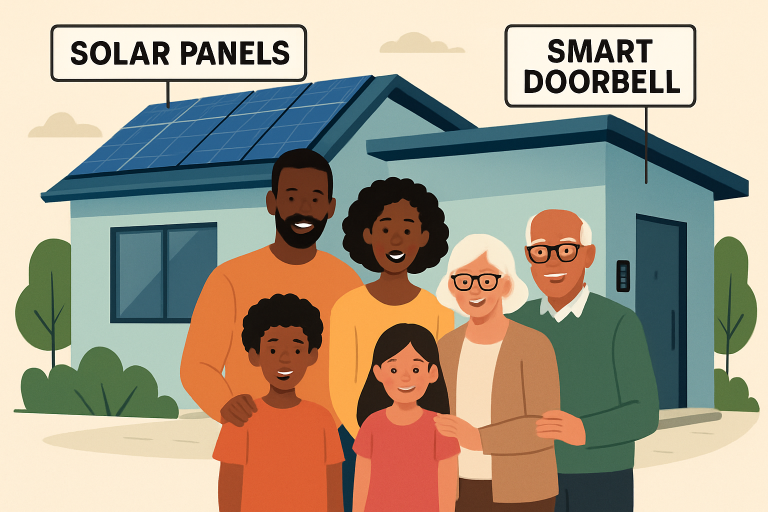
One of the most noticeable trends in today’s home-buying market is the exponential rise in households designed to support more than one generation. According to the National Association of Realtors®, nearly one in five homes purchased last year were dedicated to or purposely modified for multigenerational living, setting a record that underscores both economic and cultural shifts. This significant increase highlights how families are adapting to new realities, whether prompted by the need to care for elderly parents, incorporate young adult children returning home, or create shared living spaces for extended relatives.
The advantages of this arrangement go beyond simple financial savings. When several generations live together, resources are pooled, creating opportunities to purchase larger and better-located homes that might be out of reach for a small family or single buyer. Shared responsibilities, such as childcare, transportation, or caring for older adults, help strengthen family bonds and reduce daily stress. These arrangements also allow for more flexibility—a home office, entertainment space, or private quarters for guests can be incorporated more easily in homes with intentional, adaptable layouts.
Affordability Challenges and Creative Solutions
Despite the ongoing desire for homeownership, many families are facing challenging market conditions characterized by soaring property values and persistently high mortgage rates. In 2024, reports indicate that U.S. home sales have dropped to their lowest rates since 1995, underscoring the significant affordability gap that has become a challenge for many prospective buyers. With median home prices exceeding $400,000 for the first time on record and inventory alarmingly tight, competition is intense and often challenging for first-time or lower-income buyers.
To overcome these obstacles, buyers are embracing creative, community-focused solutions that go far beyond traditional solo purchases. Co-buying has emerged as a popular choice, allowing buyers to team up with friends, siblings, or distant relatives to split down payments, closing costs, and monthly payments. This strategic collaboration enhances access to better homes and neighborhoods and can alleviate some of the financial burdens associated with inflated prices. According to a Time article, the trend is becoming particularly prevalent among Millennials and Gen Z, who are seeking unconventional paths to homeownership in the face of economic adversity. As alternative lending options and flexible mortgage products gain traction, buyers have more tools at their disposal than ever to build wealth and achieve homeownership dreams in new ways.
Embracing Smart Home Technologies
The expectation for homes to be equipped with modern technology has shifted from a luxury to a necessity for many families. Smart security systems that can be monitored via smartphone, automated climate control with learning thermostats, voice-activated home assistants, and lighting that can be programmed or controlled remotely are now frequently at the top of buyers’ wish lists. These features not only offer peace of mind and convenience but also often cut down monthly utility costs by optimizing usage and performance.
Modern homebuyers want properties that seamlessly integrate with their digital lifestyles. Programmable thermostats, advanced security cameras, and whole-home energy monitoring systems are now available even in mid-range homes and remodels, making smart technology increasingly accessible to a wider range of buyers. The demand for future-proof, connected homes is likely to accelerate as more daily tasks become automated and as people seek spaces that can integrate with digital platforms for work and entertainment.
Prioritizing Sustainable Living
A heightened awareness of environmental issues is playing a major role in shaping the preferences of today’s homebuyers. Many families are actively seeking properties that demonstrate a commitment to energy efficiency and sustainable construction. Features like Energy Star-qualified appliances, high-performance windows, improved insulation, and renewable energy sources such as rooftop solar panels are no longer rare bonuses—they’re becoming essential.
Adopting sustainable practices offers both short-term and long-term benefits. Lower energy consumption not only reduces utility bills dramatically—sometimes by hundreds of dollars annually, according to the U.S. Department of Energy—but also contributes to the fight against climate change. Increasingly, families are weighing sustainability as heavily as other factors, such as location, price, and size, especially when considering the total cost of ownership over time and the health of future generations.
Final Thoughts
Successfully navigating the modern housing market requires understanding the intersection of economic realities, technological advancements, and the growing emphasis on family and sustainability. By staying up to date on popular trends such as multigenerational living, embracing inventive approaches to affordability, prioritizing the integration of smart home technologies, and insisting upon eco-friendly, energy-efficient features, families can confidently make decisions aligned with their current and future needs.
In a rapidly changing real estate landscape, information and adaptability are your greatest assets. By following these trends and considering innovative solutions, you and your loved ones can secure the ideal home—a space designed to nurture, support, and grow with your family for years to come.