
Urban pest management is a crucial aspect of maintaining healthy and safe environments in cities worldwide. As urban areas continue to expand and populations grow, the challenges associated with controlling pests such as rodents, insects, and other vermin also intensify. Recent research in this field is paving the way for innovative and sustainable solutions, focusing on both technological advancements and ecological approaches. This article explores some of the key trends emerging in urban pest management research.
Technological Innovations
One of the most significant trends in urban pest management is the integration of technology into pest control strategies. This includes the use of smart sensors and Internet of Things (IoT) devices to monitor pest activity in real-time. These technologies allow for more precise targeting of pest infestations, reducing the need for widespread pesticide use and thereby mitigating environmental impact.
Moreover, advancements in data analytics and machine learning are enabling pest control professionals to predict pest outbreaks before they occur. By analyzing patterns in weather, urban development, and human activity, these predictive models help in designing preemptive measures, making pest management more proactive than reactive.
Biological Control Methods
Another promising area of research is the development of biological control methods. These involve using natural predators or pathogens to manage pest populations. For example, scientists are exploring the use of parasitic wasps to control cockroach populations in urban environments. Additionally, microbial pesticides, which utilize bacteria, viruses, or fungi, are gaining traction as environmentally friendly alternatives to chemical pesticides.
Such biological methods not only reduce the ecological footprint of pest control but also address the growing issue of pesticide resistance among urban pest populations. This resistance has been a significant barrier in effective pest management, and biological control offers a sustainable solution.
Integrated Pest Management (IPM)
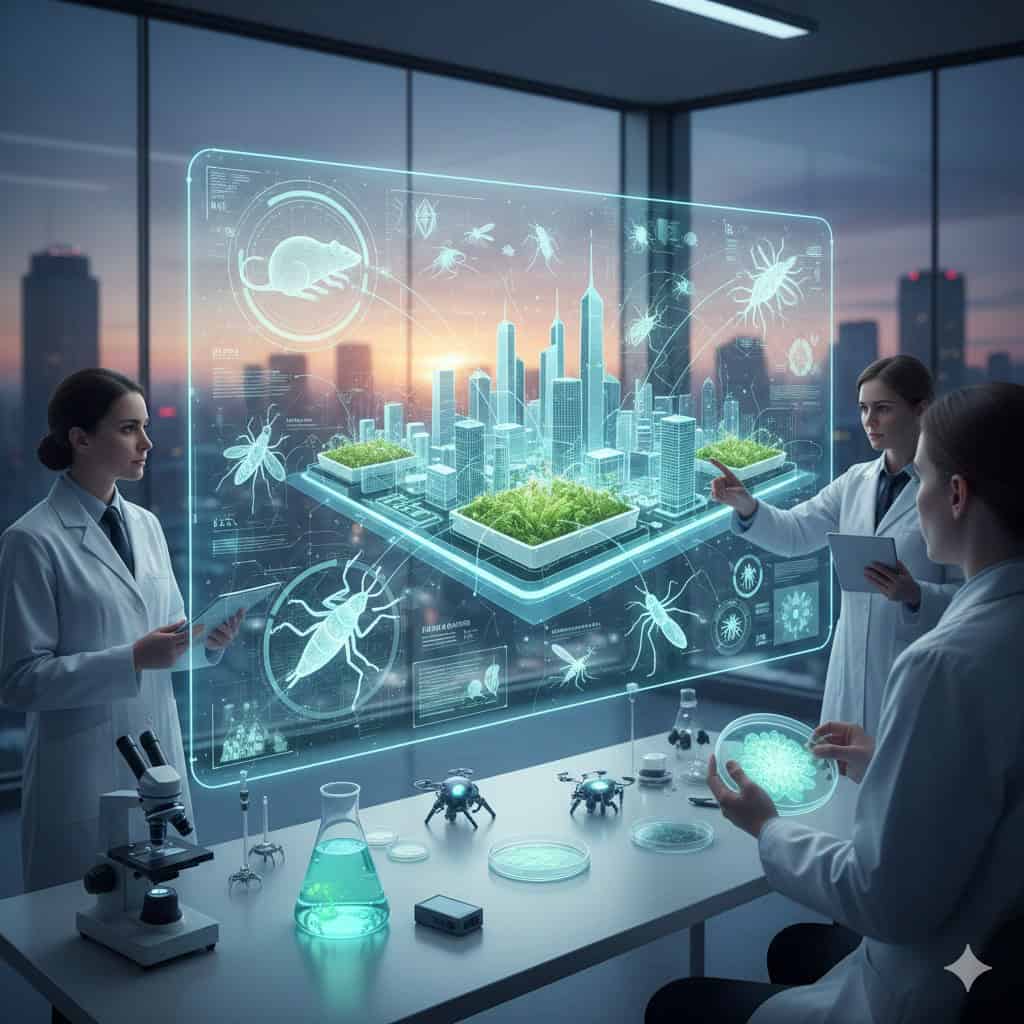
Integrated Pest Management (IPM) is a holistic approach that combines multiple strategies to manage pests with minimal environmental impact. Recent research emphasizes the importance of IPM in urban settings, where it can be adapted to include technological and biological innovations. IPM focuses on understanding pest ecology, monitoring pest populations, and using targeted interventions only when necessary.
This approach not only helps in reducing the reliance on chemical pesticides but also promotes long-term sustainability in pest management practices. IPM strategies are increasingly being tailored to specific urban environments, considering local pest species, climate conditions, and community needs.
The Role of Public Awareness and Education
Urban pest management also involves educating the public about pest prevention and control. Recent research highlights the role of community engagement and public awareness campaigns in mitigating pest issues. By informing residents about the importance of sanitation, waste management, and structural maintenance, communities can play an active role in preventing pest infestations.
Moreover, educational initiatives can help counter misinformation about pest control methods, ensuring that residents understand the benefits of sustainable practices and the risks associated with indiscriminate pesticide use.
Conclusion
New research trends in urban pest management are transforming the field, offering innovative solutions that balance efficacy with environmental stewardship. As cities continue to grow and evolve, these advances will play a crucial role in maintaining urban health and safety. For those in specific regions, such as Huntsville pest control services, these trends provide a roadmap for future strategies in managing urban pest challenges.
By embracing technology, biological methods, and integrated management strategies, urban pest control can become more sustainable and effective, ensuring that our cities remain vibrant and livable for generations to come.